A brand strategy template is the document you build before you build anything else: before the website, before the ads, before the referral marketing and word-of-mouth marketing programs that depend on it. It’s the roadmap for what your brand stands for, who it serves, and how it shows up.
This guide walks through 9 parts of a brand strategy, in sequence. Work through them in order: each part informs the next. Download our free brand strategy template PDF to follow along.
Download our free brand strategy template
Get the full 9-part template as a printable PDF: Download the brand strategy template.
Work through each section in order. Each part informs the next.
Before you start
Your brand isn’t your name or your visual identity. It’s the overall experience you provide and how your audience perceives that experience. A brand strategy lays out how you’ll deliver that experience consistently across every touchpoint, and gives every marketing decision an anchor.
Here are the 9 parts to work through, in sequence.
Part 1: Fundamentals (purpose, values, audience)
Start with the why. Your brand’s purpose is the reason the company exists in the first place: what problem you’re here to solve, what need you’re here to meet, what life you’re here to make better.
Core values are the principles that guide every decision your brand makes. Write them in clear, concrete words. “We care about quality” is generic. “We test every product in the field for 90 days before we ship it” is a value you can be held to.
Be specific because the public will hold you accountable. Stated values that don’t show up in how you operate erode trust faster than no stated values at all.
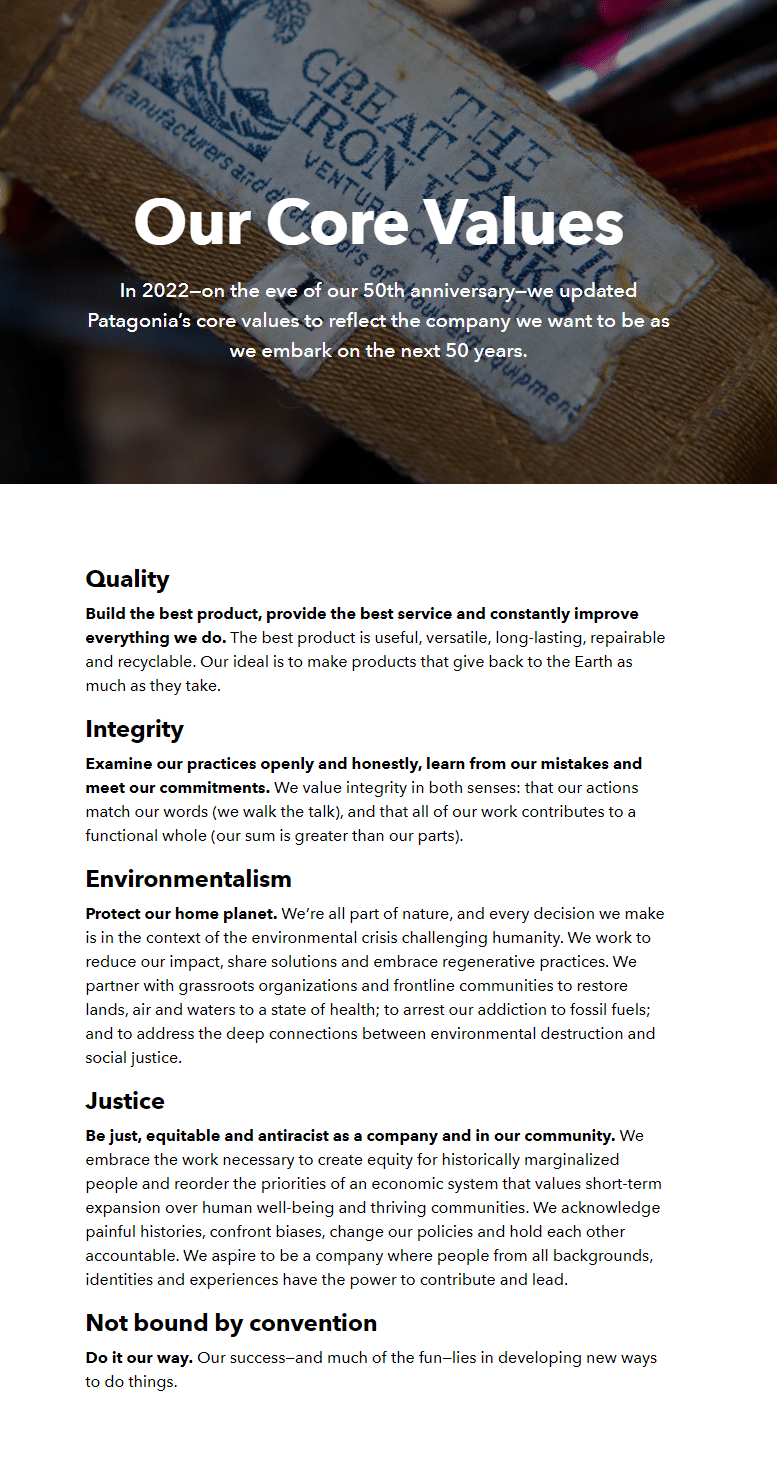
Patagonia is a useful example. Their core values (build the best product, cause no unnecessary harm, use business to inspire and implement solutions to the environmental crisis) are concrete enough that customers and employees can tell when they’re being lived out.
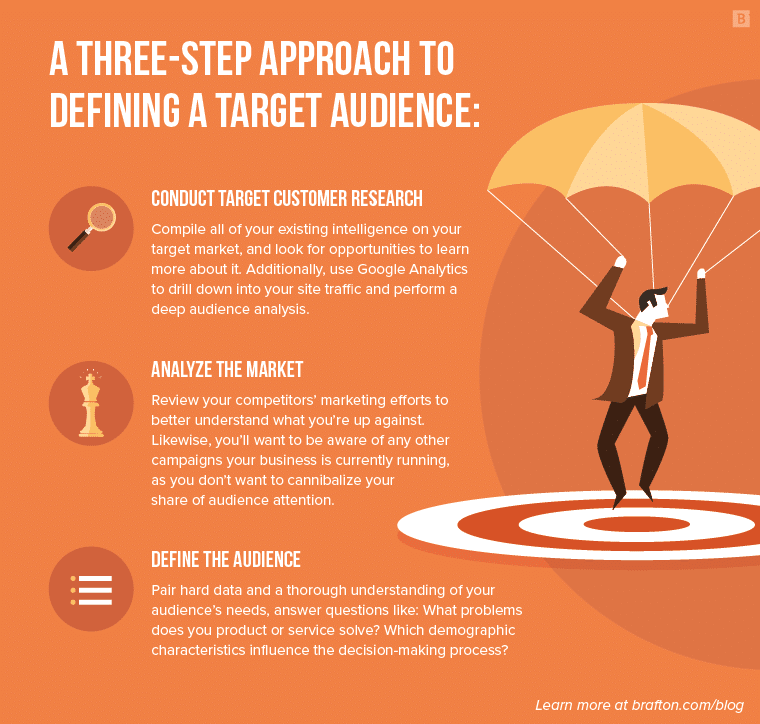
Now that you’re clear on your purpose and values, define your target audience as specifically as possible. “Small business owners” is a market, not an audience. “Owner-operators of home service businesses with 5 to 20 employees who handle their own marketing” is an audience you can write to and satisfy their needs.
Part 2: Buyer personas
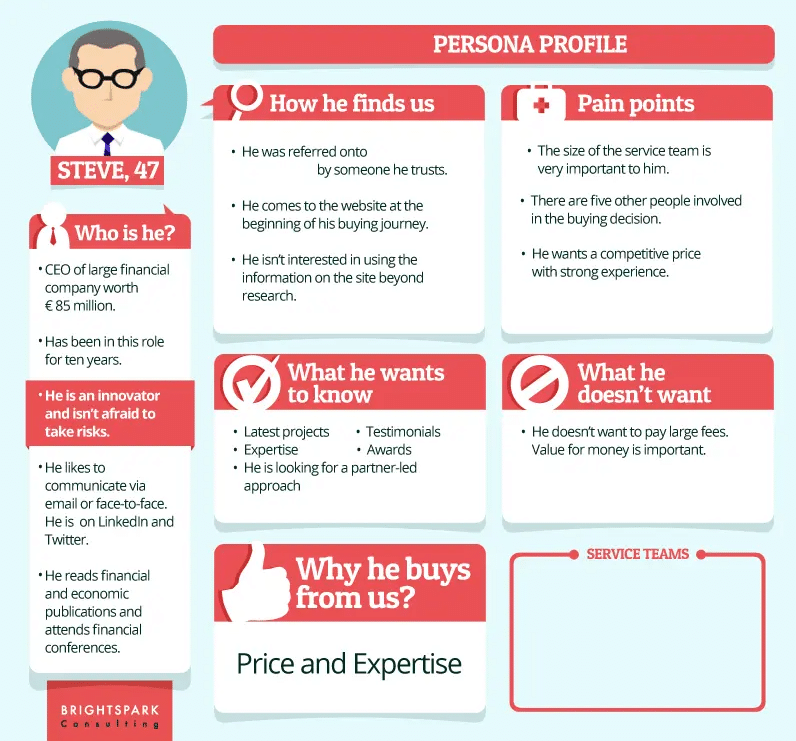
Once your audience is defined, develop buyer personas for the most important segments. A buyer persona is a hypothetical individual who represents a slice of your audience: their job, their goals, their objections, their information sources.
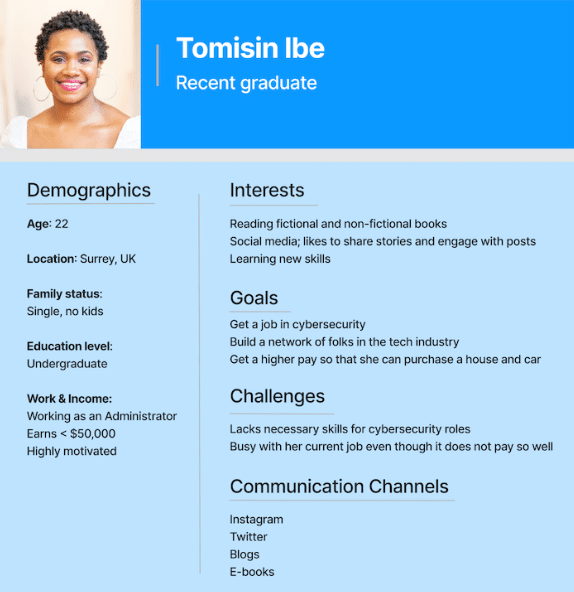
The essentials to capture:
- Demographics that matter: age, location, role, income. Only what’s relevant to the buying decision.
- Job context: industry, company size, what they’re responsible for, who they report to.
- Information habits: where they go to learn, who they trust, what they read.
- Their problem and your fit: what they’re trying to solve, what they’re using now, what objections they’d raise and how you can respond.
The free brand strategy template has a dedicated section for building these out.
Part 3: Brand mission and vision
This is, essentially, where you dissect your purpose from step 1 into two complementary statements:
- Mission: what your brand is doing right now to live out that purpose. Present-tense and concrete.
- Vision: what your brand is working toward in the future. Forward-looking and aspirational.
What does your brand set out to accomplish? What needs does your brand meet? How will it make life better for the audience and buyer personas you’ve defined? The answers to these questions make up your brand’s mission and vision.
Define these clearly before moving on. Everything in the rest of the strategy (positioning, messaging) flows from these. If you can’t write a clear mission and vision, the rest of the strategy will drift.
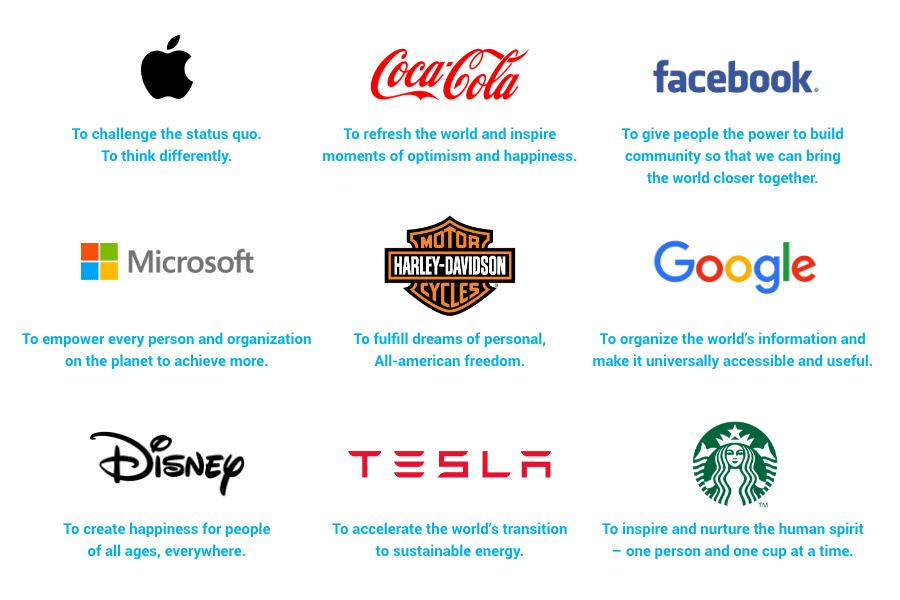
Mission statements, as compiled by Ebaqdesign
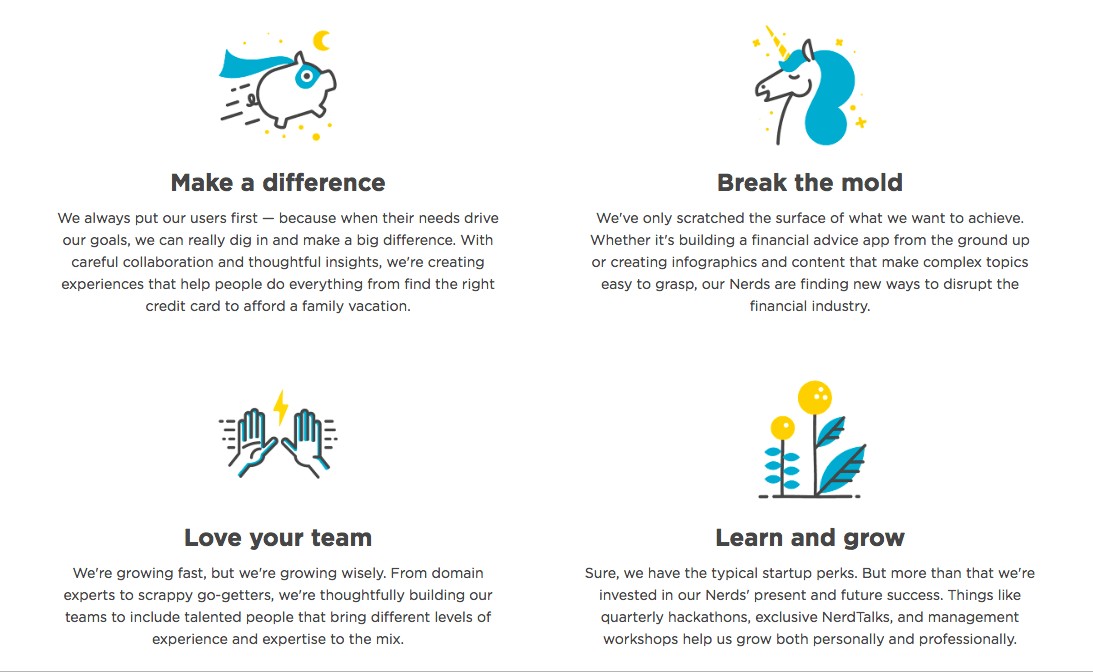
NerdWallet’s vision statements
Part 4: Competitor analysis
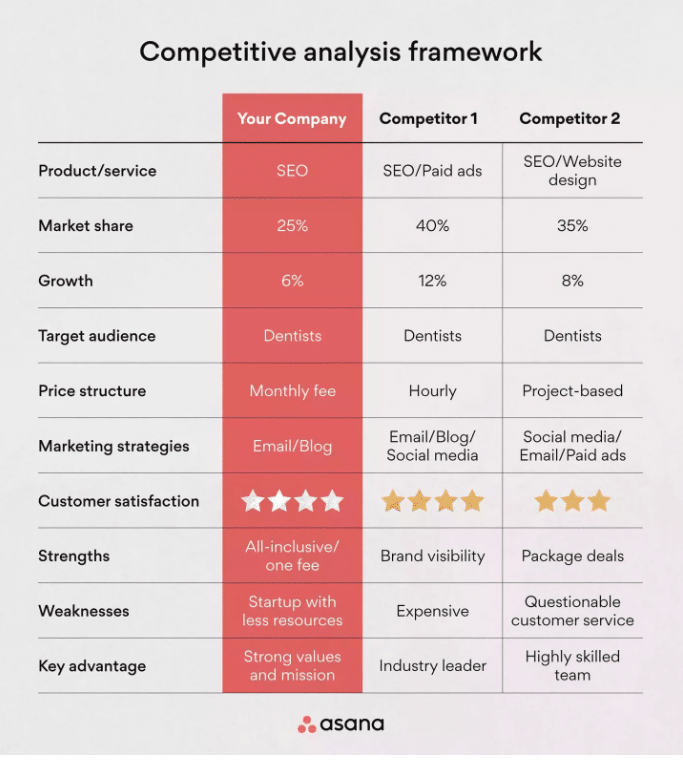
Map your direct competitors and look hard at how they brand themselves. The goal isn’t to copy what works for them. It’s to find the space they aren’t filling.
The single question that matters: what do you offer that your closest competitors don’t? If you can’t answer this in one sentence, the rest of the strategy will struggle. Differentiation is a brand’s foundation.
Part 5: Value proposition
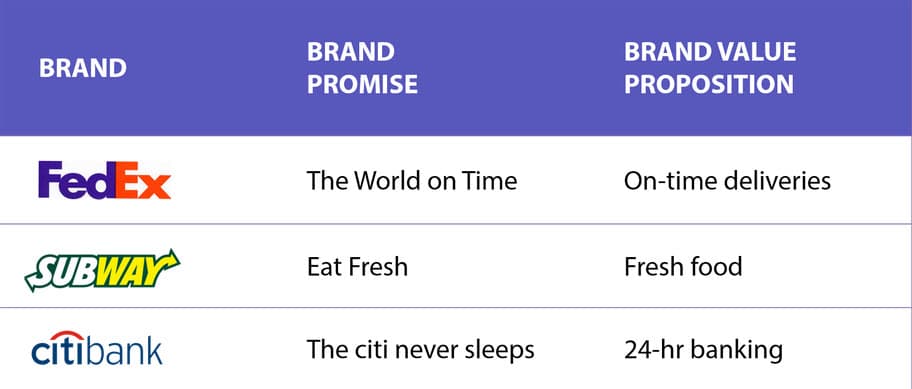
This is the practical benefit your brand delivers. It states what you offer, who you offer it to, and what problem it solves. A good value proposition is concrete: physical benefits (what they get), emotional benefits (how it makes them feel), and the reason your brand is the right choice over alternatives. Think of it as the brand promise, in writing.
Part 6: Brand positioning
Brand positioning is the perception you want to create around the value proposition. While the value proposition is what you deliver, the position is how people feel about you. What words do you want associated with your brand? What emotional space do you want to occupy? Write a positioning statement that captures it.
You can’t fully control how people perceive you, but every other element of the strategy (story, voice, messaging, imagery) is what shapes that perception over time.
Part 7: Brand story
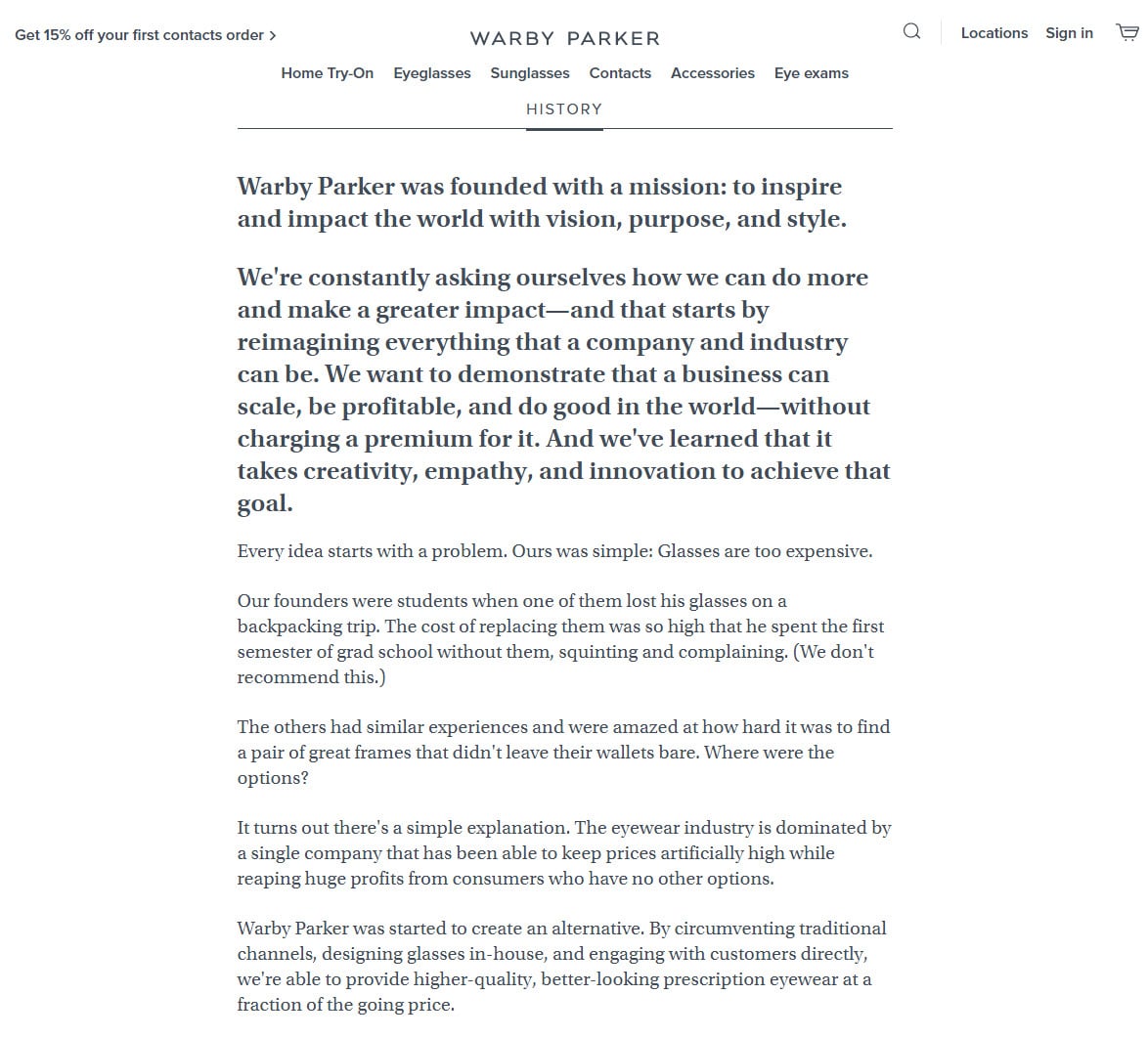
Your brand story is the narrative arc behind why your company exists. The values that led to its founding, the problem it set out to solve, and how it continues to do that today.
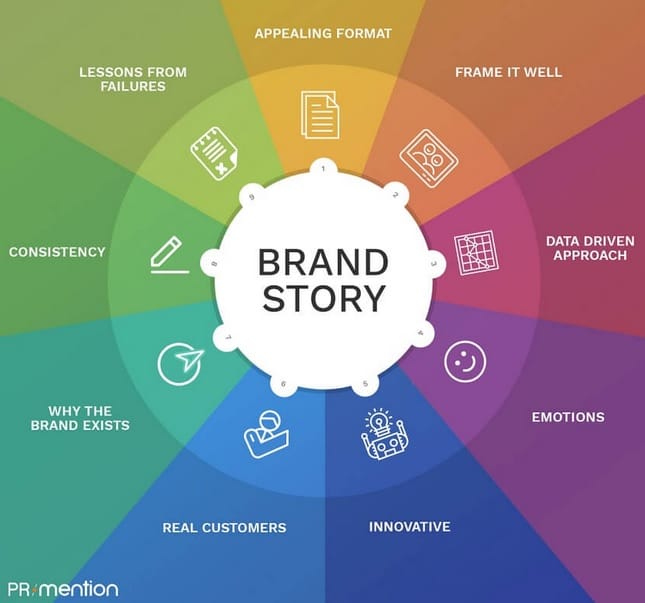
The strongest brand stories use a three-part structure: status quo, conflict, resolution. The setting your brand was born into, the challenge or opportunity that sparked it, and how the brand is solving that problem now.
A good story can help to show a brand’s human side, and further emphasize how your values have shaped everything you do. For more on this, read how to write a compelling brand story.
Part 8: Brand messaging
This part has two pieces: how your brand sounds (voice and tone) and what it actually says (messaging).
Voice and tone
Voice is your brand’s personality made consistent across everything you write. Some questions to anchor it:
- Are you serious or humorous?
- Formal or conversational?
- Direct or descriptive?
- Authoritative or peer-to-peer?
Pick a voice and stick to it across channels. Consistency is what makes a brand recognizable and trustworthy.
Wendy’s is the textbook example. Wit, snark, and branded humor in every post, whether it’s a roast, a meme, or a tie-in with a video game. That consistency is part of why their social presence went viral and stayed there.
Messaging
“Just do it.” “The happiest place on earth.” You hear those phrases, you know the brand. Brand messaging is every short, repeatable line you put into the world: taglines, slogans, and the recurring phrases that show up across your marketing.
Strong messaging follows two rules:
- Communicate one aspect of your purpose, mission, or values in a single sentence or less.
- Be specific. Generic taglines don’t stick.
Don’t rush this. Brand messaging usually takes multiple rounds of brainstorming, drafts, and gut-checks before the right lines emerge. The phrases people remember about your brand are the ones you’ll repeat for years.
Part 9: Brand imagery (visual identity)
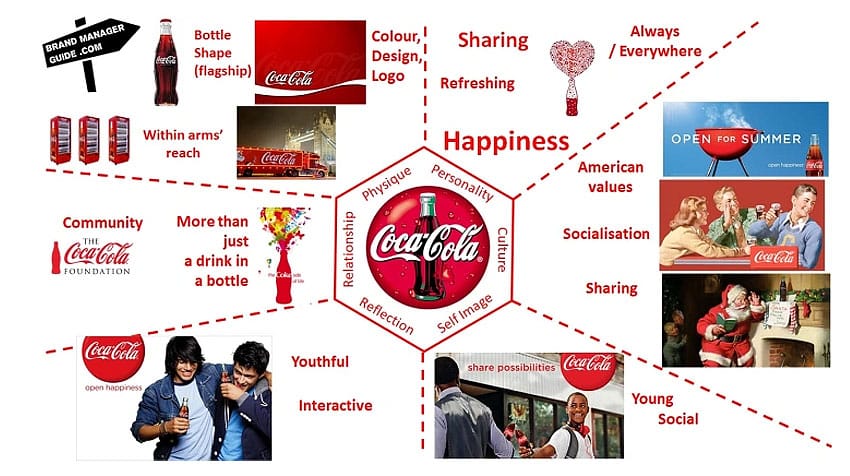
Visual identity is the visible expression of everything you’ve defined so far. Your logo, color palette, typography, photography style, and any other recurring visual elements.
Treat it as the proof of the strategy. The colors you pick should reflect the emotions in your positioning. The typography should match your voice. The imagery should reinforce your story. Done well, visual identity helps increase brand awareness and builds brand recognition over time.
For a deeper walkthrough of the visual layer, see our article on brand identity.
Wrap-up
A brand strategy on paper isn’t a brand. What turns it into one is consistent delivery: operations, service, and customer experience that match what the strategy promises. The strategy says “this is who we are.” The customer experience proves it.
Once your brand strategy is in place, you’ve laid the groundwork for every marketing program you’ll run on top of it, including referral marketing and word-of-mouth, which depend on a clear brand promise being delivered consistently. Read more about building a brand to take the next step.